
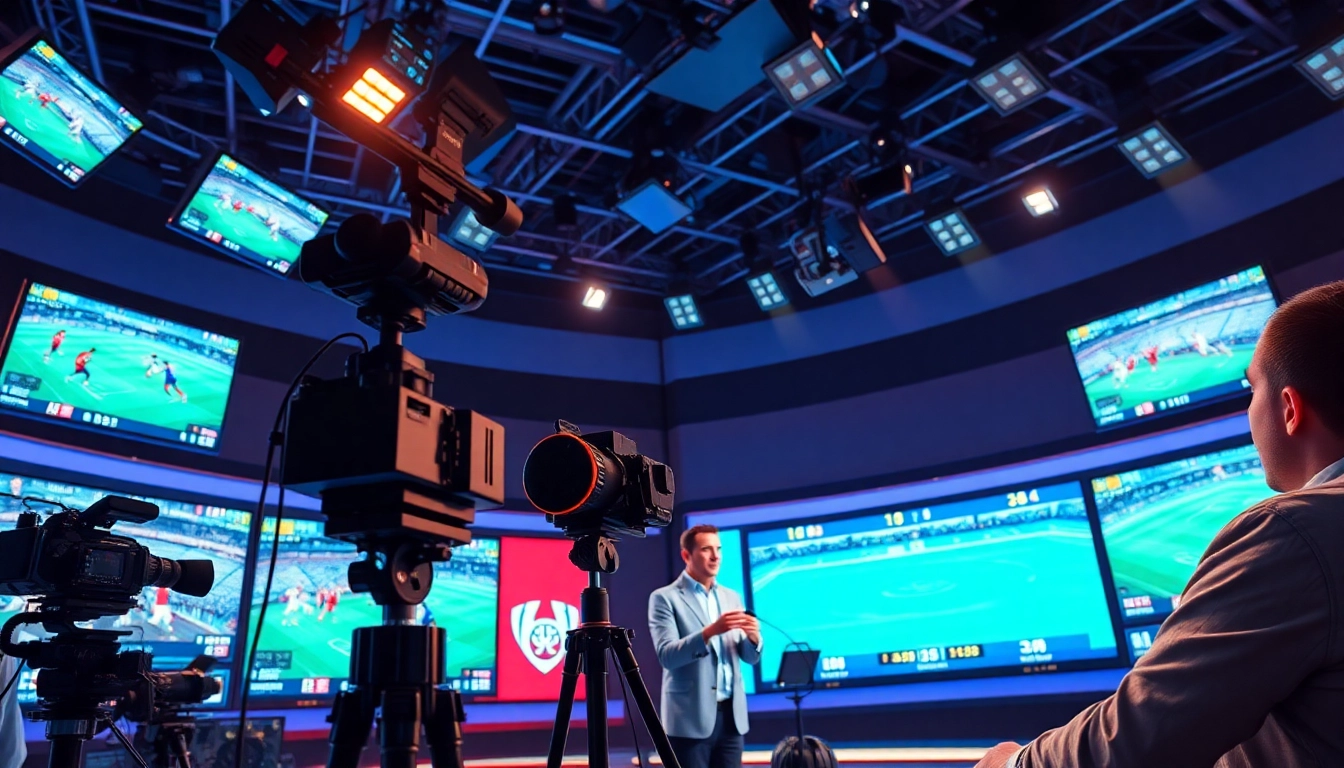
Elevate Your Game: Key Insights into Sports Broadcasting Strategies
Understanding the Landscape of Sports Broadcasting
What is Sports Broadcasting?
Sports broadcasting is the dissemination of live or recorded visual and audio coverage of sporting events to audiences via various platforms. This practice involves multiple formats, including television, radio, and increasingly, digital platforms. Sports Broadcasting encompasses not just the play-by-play coverage, but also the creation of narratives surrounding teams, athletes, and even the culture of sports itself, making it an integral part of the larger sports ecosystem.
The Importance of Audience Engagement in Sports Broadcasting
Audience engagement is pivotal in the realm of sports broadcasting. With the growing options available for viewers, broadcasters must prioritize creating captivating experiences to retain audiences. Engaging content can include interactive features such as real-time polls, in-game analytics, and behind-the-scenesAccess, which resonate well with viewers and enhance their overall experience. Establishing a strong connection with the audience leads to increased loyalty, making broadcast content more valuable in the competitive entertainment marketplace.
Key Players in the Sports Broadcasting Industry
The sports broadcasting industry consists of various key players including network broadcasters, cable providers, and streaming platforms. Major networks have traditionally dominated the industry, but the rise of digital content providers has reshaped the landscape. These players not only compete for viewership but also for exclusive broadcasting rights, often driving up costs. Other significant players include advertisers and sponsors, which are vital for revenue generation in the sports broadcasting ecosystem.
Modern Technologies Transforming Sports Broadcasting
Impact of Streaming Services on Sports Broadcasting
Streaming services have revolutionized how audiences consume sports content. With services like on-demand access and live streaming, viewers can watch games anytime and anywhere, shattering the limitations of traditional broadcasting schedules. These platforms offer personalized experiences through features such as multi-angle viewing options, highlights on demand, and easy access to historical game data, thus catering to a more tech-savvy audience and changing viewer expectations.
Utilizing AI and Analytics in Sports Broadcasting
Artificial Intelligence (AI) and analytics are playing a transformative role in sports broadcasting by improving the accuracy and quality of sports coverage. AI-powered tools can analyze vast amounts of data to provide real-time insights, enhance commentary with statistics, and even automate highlight creation. By utilizing these technologies, broadcasters can increase engagement through tailored content, providing viewers with personalized experiences that better fit their interests and preferences.
The Role of Social Media in Enhancing Sports Broadcasting
Social media has become synonymous with sports broadcasting, serving as a platform for real-time updates and interactions. Broadcasters leverage platforms like Twitter, Instagram, and Facebook to engage fans, share highlights, and promote upcoming events. This integration allows for a multi-channel viewing experience whereby fans can consume content, interact with fellow viewers, and engage with athletes directly, thereby amplifying their connection with the sports they love.
Content Creation Strategies in Sports Broadcasting
Crafting Compelling Commentaries for Sports Broadcasting
Effective commentary is at the heart of successful sports broadcasting. It requires a blend of informative analysis, enthusiasm, and storytelling to captivate an audience. Commentators must balance the need for accuracy with entertainment value, often weaving in personal anecdotes or historical references to create a narrative arc during the event. Training programs geared towards developing these skills can also elevate the quality of sports broadcasts, attracting a wider audience.
The Significance of Visual Storytelling in Sports Broadcasting
Visual storytelling enhances the sports viewing experience by creating a more immersive atmosphere. From the clever use of graphics to highlight important statistics to compelling on-field cinematography, visual elements enrich the narrative of the game. Utilizing drones, multiple camera angles, and augmented reality, broadcasters can create dynamic content that draws viewers in, ensuring they remain engaged throughout the event.
Incorporating User-Generated Content in Sports Broadcasting
User-generated content is a powerful tool for enhancing authenticity within sports broadcasts. By integrating fans’ videos, photos, and commentary, broadcasters can create a sense of community and participation. Encouraging fan submissions during events can lead to vibrant interactions that amplify the broadcast experience. Establishing hashtags or platforms for fan engagement can also motivate more viewers to actively share their experiences, further embedding their connection to the sport.
Challenges Facing Sports Broadcasting Today
Dealing with Rights and Regulations in Sports Broadcasting
Navigating the legal landscape surrounding broadcasting rights and regulations presents a significant challenge for sports broadcasters. With a myriad of rules governing the broadcasting of sports content, from regional blackout laws to licensing agreements, legal compliance is essential. Broadcasters must stay informed about changing regulations and structure contracts effectively to avoid costly legal disputes or breaches of contract.
Navigating the Competitive Environment of Sports Broadcasting
The sports broadcasting industry is increasingly inundated with competitors vying for viewer attention, especially with the rise of OTT platforms. This environment necessitates a unique value proposition, whether through exclusive content, improved viewing experiences, or innovative partnerships. Broadcasters must consistently innovate and adapt to retain their audience, often investing in technology and personalized content experiences to stay relevant and competitive.
Addressing Audience Fragmentation in Sports Broadcasting
As viewing habits evolve, audience fragmentation emerges as a significant concern for sports broadcasters. With diverse platforms catering to an array of preferences, satisfying multiple audience segments becomes crucial. Broadcasters can tackle this challenge by analyzing viewership data, segmenting audiences based on preferences, and developing tailored strategies that cater to specific demographics while maintaining a cohesive brand identity.
Metrics for Success in Sports Broadcasting
Key Performance Indicators for Sports Broadcasting
Evaluating success in sports broadcasting involves analyzing various key performance indicators (KPIs). Metrics such as total viewership numbers, audience retention rates, and average watch time are invaluable in understanding viewer engagement and preferences. Moreover, tracking social media interactions and sentiment can provide insight into audience satisfaction, which is essential for tailoring future content strategies effectively.
Evaluating Viewer Engagement in Sports Broadcasting
Viewer engagement goes beyond mere viewership; it involves assessing how audiences interact with the content. Engagement metrics can include live polls, comments during broadcasts, and social media interactions. By comprehensively evaluating these metrics, broadcasters can gain insights into audience preferences, enabling them to enhance content strategies and foster stronger connections with viewers.
Forecasting Trends in Sports Broadcasting
To thrive in a dynamic industry, broadcasters must proactively forecast trends in sports broadcasting. Analyzing demographic shifts, technological advancements, and media consumption patterns will help them stay ahead of the curve. Utilizing market research and consumer feedback is vital for anticipating audience needs and preferences, ensuring content remains relevant and engaging as the landscape continues to evolve.
FAQs
What are the primary mediums for sports broadcasting?
Sports broadcasting primarily occurs through television, radio, and online streaming platforms, catering to varied audience preferences.
How does social media impact sports broadcasting?
Social media enhances audience engagement, allowing real-time interactivity, sharing of highlights, and fan involvement in discussions, augmenting the broadcasting experience.
What technologies are changing sports broadcasting?
Technologies like AI, streaming services, and augmented reality are transforming the quality, accessibility, and engagement levels in sports broadcasting.
How do broadcasters measure success?
Success in sports broadcasting is gauged through key performance indicators (KPIs), which include viewership numbers, audience retention, and engagement metrics.
What challenges do sports broadcasters face today?
Sports broadcasters face challenges such as navigating legal rights, competition among platforms, and addressing audience fragmentation in a dynamic environment.